

If you have had previous dental work like crowns, bridges, or missing teeth, you might assume Invisalign is not an option for you. That’s a common misconception. Invisalign can work with existing restorations and even help prepare your mouth for future dental work.
At Highland Family Dental Care, Dr. Mana Shoeybi specializes in creating personalized Invisalign treatment plans for patients with complex dental histories. She understands that many adults considering Invisalign have had previous dental work. They want to straighten their smile without compromising the restorations they have already invested in.
Dr. Shoeybi has the training and experience to evaluate your specific situation and design a plan that works with your dental restorations. She uses advanced digital imaging and 3D treatment planning to ensure your Invisalign aligners fit properly and your teeth move safely.
We proudly serve patients in Highland, MD, and the surrounding communities. If you have been told Invisalign is not for you because of existing dental work, we encourage you to schedule a consultation.
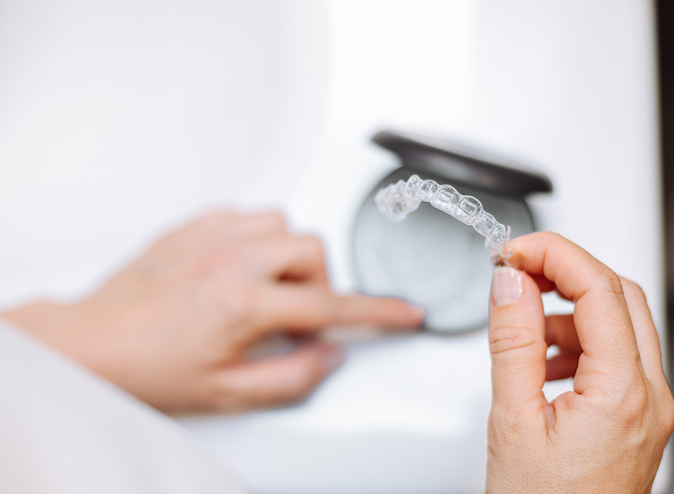
Invisalign With Crowns: What You Need to Know
The short answer is yes. You can get Invisalign if you have dental crowns. In fact, crowns are one of the most common restorations that patients have when they start Invisalign treatment.
Here’s how it works. Invisalign aligners fit over your teeth, including any crowns. The aligners apply gentle pressure to move the natural tooth structure underneath the crown. While the crown itself won’t move, the tooth it’s attached to can shift along with your other teeth.
That said, a few important considerations apply. Your dentist must ensure your crown is stable and securely bonded before treatment begins. A loose or compromised crown could become dislodged during treatment.
Dr. Shoeybi will carefully assess the condition of your crowns during your consultation. She will check for any signs of wear, decay underneath the crown, or bonding issues that need to be addressed before you start Invisalign.
In some cases, your aligners may need to be designed differently around crowned teeth. The attachments that help guide tooth movement may be placed on adjacent natural teeth instead of on the crown itself. This ensures the aligners fit securely while protecting your restoration.
If you have multiple crowns, Dr. Shoeybi can still plan effective treatment. The key is careful monitoring throughout the process to keep your crowns stable and your teeth moving as planned.
Invisalign With Bridges: Is It Possible?
A dental bridge is a fixed restoration that connects multiple teeth together. Unlike a crown, a bridge spans a gap where one or more teeth are missing. Because the bridge is attached to neighboring teeth, those teeth can’t move independently.
This doesn’t mean Invisalign is impossible if you have a bridge. It just means the treatment plan will be different. Invisalign can still straighten the other teeth in your mouth while keeping the bridge in place.
For example, if you have a bridge on your lower left side, your upper teeth can still move into proper alignment. The teeth on your lower right side can also shift. The aligners will be designed to avoid putting pressure on the teeth connected to the bridge.
In some cases, your dentist may recommend completing Invisalign treatment before getting a bridge. This lets your natural teeth move freely into their ideal positions. Once your teeth are straight, your dentist can then place a bridge that fits perfectly into your newly aligned smile.
If you already have a bridge, Dr. Shoeybi will create a treatment plan that respects its stability. She will design your aligners to shift the teeth around the bridge while keeping it stable.
Invisalign With Missing Teeth
Missing teeth don’t automatically disqualify you from Invisalign treatment. In fact, Invisalign can help close gaps created by missing teeth or prepare your mouth for future restorations like dental implants.
If you have a single missing tooth, Invisalign can sometimes close the gap by shifting surrounding teeth into the space. This is especially effective when the missing tooth is in an area where the gap isn’t too large.
If you plan to get a dental implant in the future, you can use Invisalign first to straighten your remaining teeth. By aligning your teeth first, you create the ideal space for the implant. This leads to better aesthetic and functional results.
In some cases, Invisalign may not be the best choice. If you have multiple missing teeth in prominent areas, traditional braces might offer better control over tooth movement.
Ultimately, the best way to determine if Invisalign is right for you is to schedule a consultation with Dr. Shoeybi. She can assess your specific situation and recommend the most effective treatment plan.
The Role of Advanced Technology
Dr. Shoeybi uses advanced digital scanning and 3D imaging to plan your Invisalign treatment with precision. She can create a detailed digital model of your teeth, including your crowns, bridges, and any gaps.
This technology lets her simulate tooth movement before treatment even begins. She can see how your crowns will interact with the aligners and adjust the plan accordingly.
Tools like Invisalign Smile Architect software enable a combined orthodontic and restorative planning approach. This is especially valuable for patients with existing restorations or those planning future dental work.
Schedule Your Consultation Today
If you have crowns, bridges, or missing teeth, don’t assume Invisalign is out of reach. Dr. Mana Shoeybi has the experience and technology to create a personalized treatment plan that works for you. She will evaluate your dental history and design a plan that protects your existing restorations while giving you the straight smile you want.
Call us at 301-635-4619 or request an appointment online to schedule your Invisalign consultation. We proudly serve patients in Highland, MD, and surrounding communities.